Fire Damage Restoration
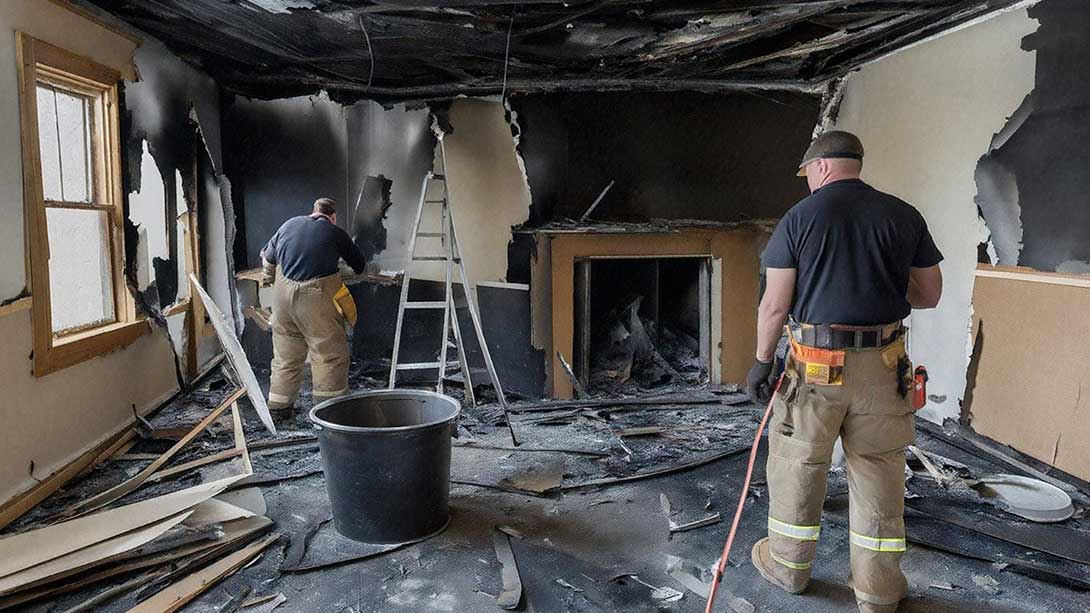
Fire Damage & Residue Removal
- Soot & smoke residue removal
- Dry soot vacuuming
- Wet/chemical sponge soot removal
- Protein fire residue cleanup
- Ceiling, wall & surface soot washing
- Cabinet, trim & fixture residue cleanup
- HVAC soot removal & duct cleaning
Structural Deodorization & Air Neutralization
- Thermal fogging deodorization
- Ozone treatment (O₃)
- Hydroxyl generator odor removal
- Air scrubber & HEPA filtration
- Neutralization of embedded smoke odor
- Attic, crawlspace & cavity deodorization
- Odor sealant application on affected surfaces
Source-Related Fire & Heat Damage
- Grease/kitchen fire cleanup
- Electrical fire damage cleanup
- Furnace puff-back cleanup
- Candle or small-appliance fire cleanup
- Space heater or HVAC-related fire damage
- Garage, utility room & equipment fire cleanup
- Minor structural char cleanup
Contamination, Debris & Material Removal
- Fire-damaged material removal (drywall, insulation, flooring)
- Charred structural component removal
- Corrosive soot mitigation on metals & electronics
- Content pack-out & cleaning
- Hazardous debris cleanup
- HEPA vacuuming of fine particulate contamination
- Sanitization & antimicrobial application (post-fire water/soot mix)
The Complete Guide: Fire Damage Services, Process, Cleanup Standards & Insurance Alignment
Fire doesn’t just burn—it contaminates, corrodes, and fills every surface with acidic soot and toxic smoke residues. Our Fire Damage Restoration service is engineered to eliminate all smoke, soot, odor, and structural contamination, restoring your property to safe, clean, pre-loss condition.
This guide outlines every service, process, protocol, and industry standard involved in professional fire damage restoration. It’s designed for clarity, insurance compliance, and to help homeowners understand what happens from the moment a fire is extinguished to the final inspection and rebuild.
Every job includes:
- Full fire, smoke & soot assessment
- Immediate stabilization & contamination control
- Soot removal and deep structural cleaning
- Advanced odor elimination
- Restoration of salvageable materials & contents
- Documentation for insurance adjusters
- Final inspection and confirmation of a safe, clean structure
Why Choose Us for Water Damage Restoration?
- 60-Minute Emergency Response
- IICRC-Certified Technicians (FSRT, OCT)
- Advanced Smoke, Soot & Odor Removal
- Direct Insurance Billing & Full Documentation
- Residential, Commercial & Multi-Unit Specialists
- Licensed, Bonded & Fully Insured
- 5-Star Rated Restoration Team
- Available 24/7/365
How We Execute Fire Damage Restoration
1. Emergency Response & Site Stabilization
We arrive fast, secure the property, assess structural integrity, and prevent further damage.
Services include:
- Board-up & tarping
- Structural shoring (if required)
- Protection of belongings
- Removal of hazardous debris
2. Smoke, Soot & Residue Removal
Using industry-standard methods:
- Dry soot vacuuming
- Chemical sponge cleaning
- Wet & alkaline counteractant washing
- HEPA vacuuming
HVAC system cleaning
This ensures all affected areas—including inside walls, ceilings, subfloors, and cavities—are identified and dried.
3. Odor Neutralization & Air Purification
We use advanced deodorization systems:
- Hydroxyl generators
- Thermal fogging
- Ozone treatment (O₃)
- HEPA air scrubbers
This eliminates odors at the molecular level—not just masking them.
4. Material Removal (As Needed)
To ensure safety and prevent recurrent odor or contamination, we remove:
- Charred structural components
- Burned insulation
- Soot-soaked drywall
- Damaged carpet/pad
- Contaminated debris
- Burnt contents beyond restoration
5. Final Testing & Documentation
We perform:
- Air quality testing
- Odor elimination verification
- Surface cleanliness checks
- Photo documentation
- Carrier-ready insurance reporting
We do not leave until your structure is fully clean, deodorized, and safe.
When We’re Finished, You’ll See:
- Soot-damaged surfaces fully cleaned
- All smoke odor eliminated at the source
- HVAC systems cleared of contamination
- Char and debris removed
- Structural components stabilized
- Safe, breathable indoor air
- Spaces restored to pre-loss condition (or better)
Fast action prevents permanent damage. Professional restoration prevents it from returning.
What our customers say
Professional, fast, and extremely thorough. They had water extracted within hours and saved our floors.”
“Like an answer to my prayer”
"So grateful for Dave he responded quickly to my family emergency and felt like an answer to prayer to guide us through this process after our fire. Thank you!"
Common Causes Of House Fires
Most fire damage originates from one of these sources:
- Cooking and grease fires
- Electrical malfunctions
- Appliance failures
- Furnace puff-backs
- Space heater/smoking-related fires
- Candle or unattended flame events
- Wildfire/ember intrusion
- Garage, workshop, or mechanical fires
- HVAC or utility room fires
Why Fast Response Matters
Fire damage escalates quickly:
- 0–24 hours: soot etches metals, stains surfaces, corrodes electronics
- 24–72 hours: acidic residues permanently discolor materials
- 3–7 days: deep odor absorption into porous materials
- 7+ days: irreversible structural and air-quality hazards
Immediate action = lower costs, maximum salvageability, cleaner air, faster restoration.
Our Fire Damage Restoration Process
1. Emergency Response & Site Protection
We secure the structure, eliminate hazards, and prevent secondary damage.
2. Smoke & Soot Assessment
Using thermal imaging, surface testing, and residue classification, we identify:
- Dry soot
- Wet soot
- Protein residue
- Fuel/oil soot
- Plastics & synthetic residue patterns
3. Deep Cleaning & Soot Removal
We clean every affected surface—including inside cabinets, attics, crawlspaces, and HVAC ducts.
4. Odor Elimination & Air Purification
Hydroxyl units, ozone, HEPA scrubbers, and thermal fogging remove embedded smoke odors.
5. Material Removal (If Needed)
We remove unsalvageable soot-damaged materials:
- Drywall
- Insulation
- Flooring
- Cabinetry
- Charred framing
6. Final Testing, Odor Verification & Documentation
We verify:
- Cleanliness
- Air quality
- Odor elimination
- Surface restoration
- Insurance compliance
You receive:
- Photo logs
- Odor elimination reports
- Contamination source notes
- Material removal documentation
We don’t leave until your property is clean, safe, and fully deodorized.
Insurance Claim Support
Fire claims are complex—we simplify the entire process.
We:
- Work directly with your carrier
- Provide full documentation
- Supply photos, readings, and detailed reports
- Follow IICRC FSRT and OCT standards
- Offer direct billing (no upfront payment for covered losses)
Our process protects homeowners and speeds up approvals.
What To Do Before We Arrive
Stay safe and prevent further damage:
Do:
- Limit movement inside the property
- Cover high-touch areas
- Open windows (if safe)
- Attempt to clean soot yourself
- Use household cleaners (sets stains)
- Run the HVAC system
- Consume exposed food
- Allow pets inside
We handle everything else on arrival.
How to Prevent Future Fire Damage
Simple actions reduce future risk:
- Install monitored smoke detectors
- Clean dryer vents annually
- Maintain electrical systems
- Keep cooking areas clear
- Schedule furnace inspections
- Avoid extension cord overloads
- Store combustibles safely
- Install fire-rated doors in garages
Areas We Serve
We provide full-service water damage restoration across:
Equipment & Technology We Use
- HEPA air scrubbers
- Hydroxyl generators
- Ozone treatment machines
- Thermal fogging systems
- Chemical sponges & soot removal agents
- Dry-ice & soda blasting tools
- Negative air containment systems
- HEPA vacuums
- Commercial demolition tools
- Thermal imaging cameras
Advanced technology = safer cleanup, faster results, cleaner air.
Certifications & Compliance
- IICRC Certified (WRT, ASD, AMRT)
- EPA-Approved Disinfectant Protocols
- OSHA-Compliant Safety Procedures
- Licensed, Bonded & Insured
- Background-Checked Technicians
Frequently Asked Questions about Water Damage Restoration
How long after a fire should restoration begin?
Immediately. Soot and smoke residues start causing permanent damage within hours. Metals corrode, plastics discolor, electronics fail, and porous surfaces absorb deep odors. Fast response prevents long-term structural and air-quality issues.
Can I stay in my home after a fire?
Usually no. Even small fires leave behind toxic soot, acidic residues, and airborne particles that can irritate lungs, eyes, and skin. Professional air scrubbers and deep cleaning are required before a home is safe for occupancy.
What should I do first after a fire?
Ensure everyone is safe, contact your insurance carrier, and call a certified fire restoration company. Do not clean soot yourself, run HVAC systems, or move contaminated items — this spreads residue and increases damage.
What does fire damage restoration include?
A complete fire restoration project typically includes:
- Emergency board-up and structural protection
- Smoke and soot removal
- Deep structural cleaning
- Odor elimination with ozone or hydroxyl
- HVAC cleaning
- Debris and char removal
- Contents inventory, cleaning, and pack-out
- Final air-quality and odor verification
Will my insurance cover fire damage restoration?
Most fire, smoke, and soot damage is covered by standard homeowners and commercial property policies. We work directly with adjusters, provide documentation, and help ensure you receive full coverage for your loss.
Can smoke damage be removed completely?
Yes — with the right techniques. Complete odor elimination requires a combination of HEPA cleaning, thermal fogging, ozone treatment, hydroxyl generators, and sometimes sealing affected materials. When done correctly, smoke odor is removed permanently.
How long does fire damage restoration take?
Small fires take a few days. Medium losses take 1–2 weeks. Severe structural or multi-room fires may require several weeks — especially if reconstruction is needed. Timeline depends on the extent of soot contamination, material removal, and deodorization.